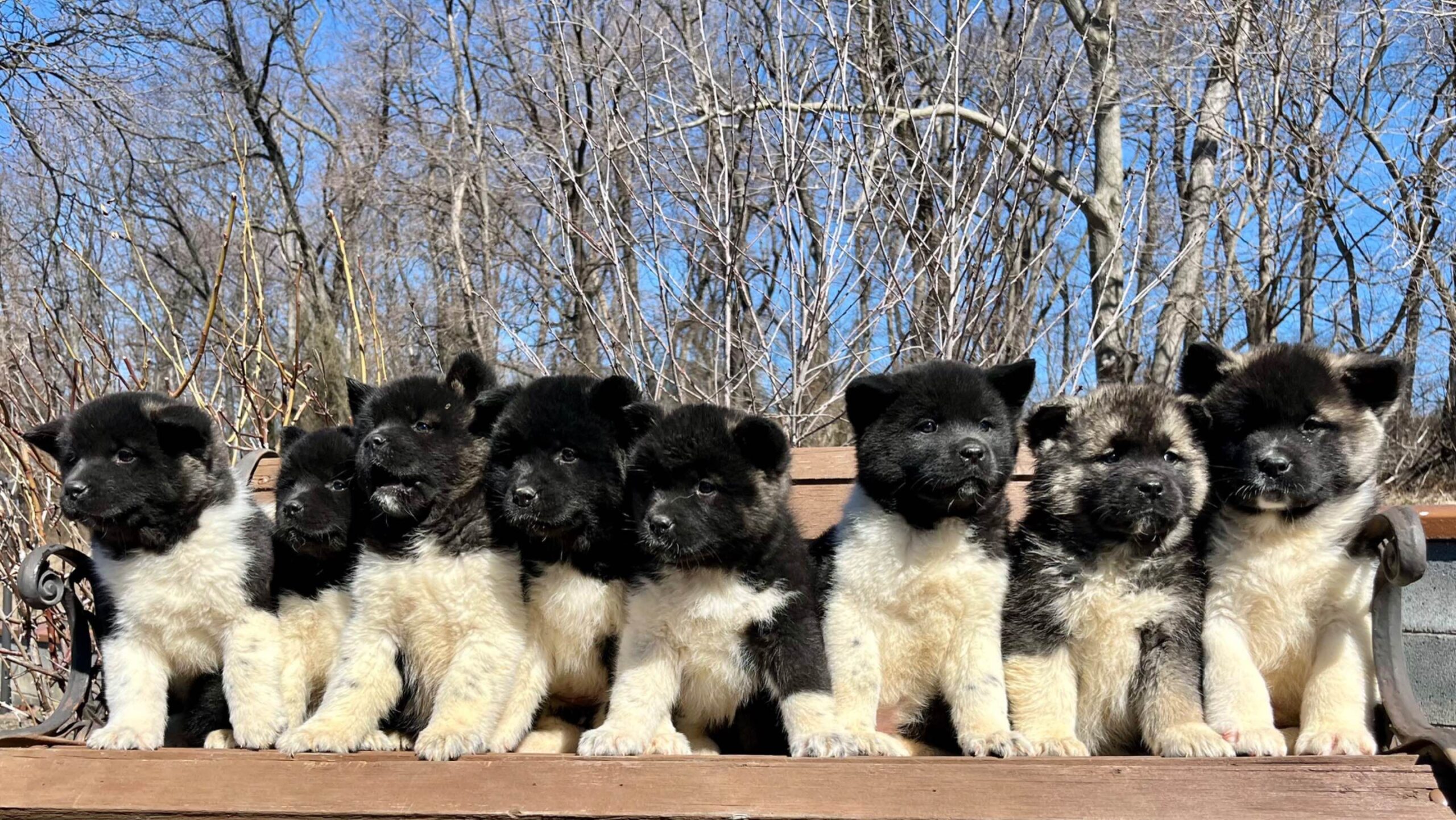
Welcoming a powerful guardian breed into your household requires transparent factual evidence rather than sensationalized internet rumors. Many families love the striking, wolf-like look of this ancient Japanese breed but worry deeply about community safety. Therefore, our family program addresses common American Akita aggression myths directly to help handlers understand real-world behavioral psychology. We have spent fifteen years raising this breed in our home, and we can tell you definitively that stable bloodlines produce stable companions. Mastering these natural guarding boundaries is essential before you bring an Akita into your life. By addressing American Akita aggression myths with science-backed training protocols, we help families make informed decisions.
This guide is part of our broader Akita breed education hub , where we document every protocol we use in our preservation program..
Dismantling Common Akita Aggression Myths
merican Akitas are not inherently dangerous or unpredictable animals. However, they are naturally territorial, aloof with outsiders, and intensely protective of their personal handlers. According to breed safety guidelines published by the American Kennel Club (AKC) , undesirable behaviors occur only when dogs face poor socialization or a total lack of structured human guidance.
The Akita Club of America confirms that a socialized and well-trained Akita should never be outright aggressive. Consequently, our home-centered preservation program works tirelessly to disprove deep-seated American Akita aggression myths through systematic neurological conditioning. Balanced bloodlines always exhibit stable, calm, and predictable patterns when raised with clear boundaries. Consequently, while their stoic presence makes them world-class home protectors, managing their rudimentary instincts requires an active handling strategy that every family must embrace before adoption.
The Historic Root of Guardian Instincts and Behavior Patterns
To truly understand adult behavior, my wife and I always advise studying the historical origin of these majestic working dogs. For centuries, Japanese noble lines carefully bred these companions as large-game hunters and royal estate protectors.
Natural Guarding Instincts vs. Unstable Behavior
In our daily experience on our 10-acre country homestead, an Akita’s protective drive is quiet, intelligent, and steady. For example, our mature dogs rarely bark unless a genuine property boundary breach happens. Furthermore, they constantly evaluate environmental changes with deep cognitive processing.
- The Core Myth: Akitas are unstable time bombs that will attack any visitor who steps onto your property.
- The Verified Fact: Akitas possess an exceptional capacity for situational awareness. They take their social cues directly from their confident owners. If you welcome a guest warmly, your dog will accept that guest calmly.
The True Source of Modern Behavioral Instability
When people encounter an aggressive or reactive dog, that behavior is almost always caused by unvetted backyard breeding. Low-quality operations completely skip vital orthopedic screenings and genetic health tests. For a complete health testing blueprint, see our Akita health requirementsguide.
More importantly, they ignore parental nerve thresholds. Because fear-based reactivity is highly hereditary, my family strictly pairs foundation lines that display confident, balanced behaviors. We test our sires and dams continuously around loud domestic noises, rural farm machinery, and unfamiliar visitors to ensure their puppies inherit clear mental baselines.
Integrating a Large Guardian Safely Around Young Children
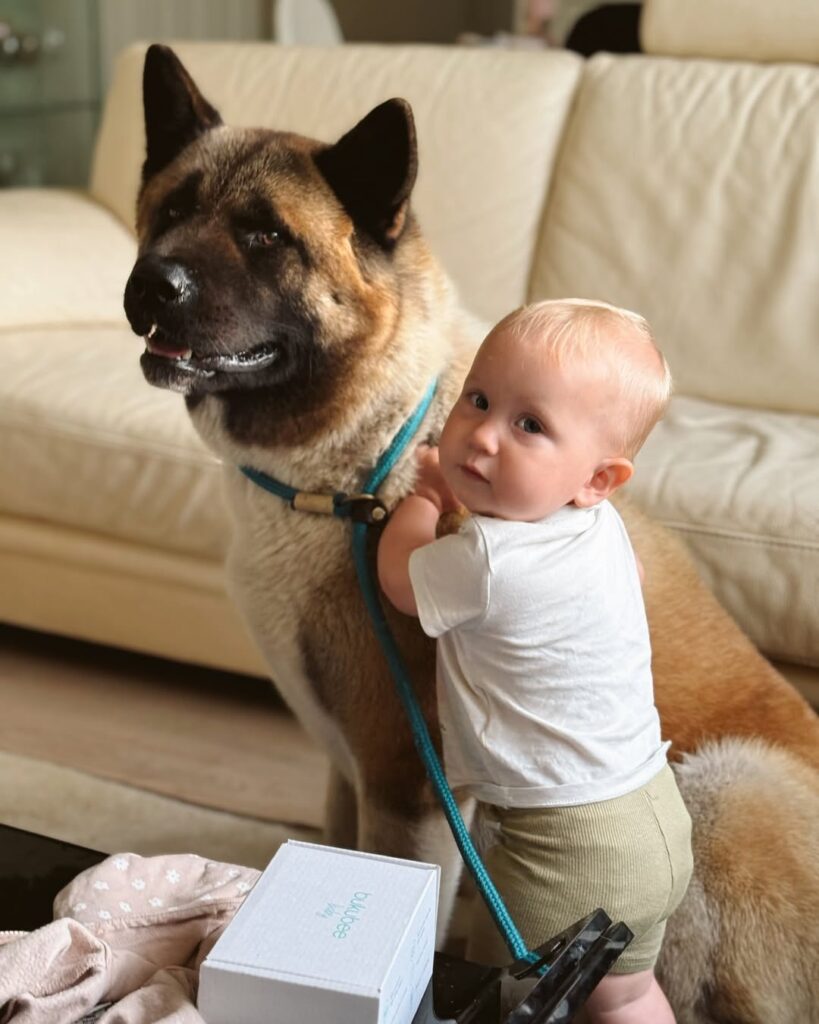
Another frequent question sent to our inbox is whether these large dogs can live safely alongside young children. Our short answer is a definitive yes, but it comes with a strict breeder requirement: complete supervision, professional socialization, and bloodlines chosen explicitly for emotional stability.
Our Intensive In-Home Early Socialization Process
My wife and our three young children—Emma, Liam, and Sophie—raise our puppies inside our living space. We introduce them to early neurological stimulation (ENS) from days 3 through 16 to enhance their cardiovascular health and stress resilience.
| Timeline | Protocol | Purpose |
|---|---|---|
| Day 3–16 | ENS Protocol | Builds stress resilience |
| Week 3–6 | Child Interaction | Teaches gentle boundary control |
| Week 7 | Volhard Testing | Aligns puppy to exact household |
Our children handle the puppies multiple times every single day. Consequently, this continuous contact teaches the young dogs gentleness and proper play parameters. Every puppy in our program begins ENS protocols from day three. View current litter documentation to see our socialization timeline.
Establishing Firm Boundaries for Both Families and Companions
Although our lines possess exceptional nerve stability, growing children must also learn respect. Akitas are proud, dignified animals who will not tolerate ear-pulling, tail-tugging, or food-bowl taunting.
- Create an Isolated Safety Zone: We advise using a sturdy, private crate container where your companion can rest completely undisturbed.
- Supervise Daily Meal Times: Teach young children to respect the dog’s physical space during feeding routines, even if your companion displays no resource guarding.
- Enforce Complete Pack Leadership: The adult handlers must always manage the environment. Therefore, never leave any large guardian breed unsupervised with small toddlers.
Re-Engineering Your Akita Training Strategy for Success
Traditional, heavy-handed training methods fail completely with the American Akita. This breed possesses an incredibly independent mind and a sensitive soul. If you try to bully an Akita into submission, they will shut down completely or defend their physical boundaries. Our Akita training protocols guide covers the leadership style this breed demands.
The Power of Mindful Leadership
We train our dogs using assertive, positive, and consistent boundary mapping. You must position yourself as a calm, trustworthy leader. Akitas respect structural consistency, not dynamic physical volume or anger.
The Mandatory 24-Month Socialization Window
Akitas undergo specific developmental fear periods as they mature. To keep your dog from becoming overly aloof or reactive, you must commit to an active socialization path throughout their first two years.
- Surface and Acoustic Exposure: Expose your puppy to varied walking surfaces, traffic sounds, umbrellas, and diverse handling movements.
- Controlled Neutrality: Do not force your dog to greet every stranger or dog they see. Your goal is calm neutrality. Train your Akita to look at you for guidance whenever a novel element enters their space.
Comparing Akita Instincts Across Guardian Breeds
Understanding how the Akita’s mental makeup compares to other popular guardian lines helps handlers prepare for their unique ownership needs. Our American Akita size and strength analysis breaks down the structural traits you need to monitor.
| Breed | Core Behavioral Trait | Sociability Index | Primary Handling Style |
|---|---|---|---|
| American Akita | Aloof, highly independent, intensely loyal to the family unit | Low (Prefers a tight, familiar circle) | Mindful Leadership: Calm, firm boundaries with zero heavy physical correction |
| German Shepherd | Eager to please, highly biddable, visually vocal | Moderate (Highly trainable for public tasks) | Active Engagement: High drive redirection and constant mental tasks |
| Rottweiler | Confident, physical, deeply protective, playful with family | Moderate (Requires active crowd management) | Structural Framing: Early physical control and extensive socialization |
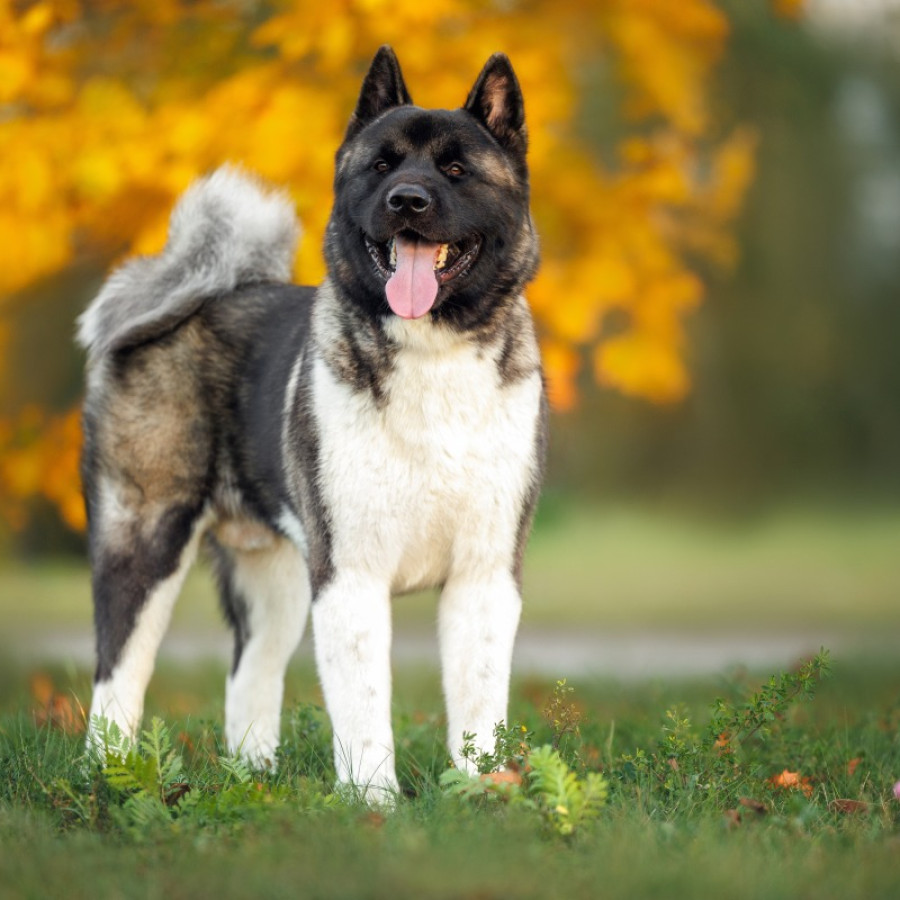
Frequently Asked Questions Regarding Akita Aggression Myths
Q: Can two adult male Akitas live safely in the same home?
A: We strongly advise against keeping same-sex adult Akitas together. The breed carries a natural genetic predisposition toward same-sex selective dominance. It is always safest to match opposite sexes.
Q: At what age should I begin structured obedience classes?
A: Professional, positive reinforcement socialization should begin the moment your veterinarian clears your puppy’s core immunizations, typically around 10 to 12 weeks of age.
Q: Do adult Akitas require professional guard dog training?
A: No. You should never pursue protection or bite work training with an Akita. Their natural shielding instincts are already hardcoded. Your sole job is training them to be calm and manageable.
We have fifteen years of experience with this breed. To see how we apply this knowledge, meet our family and review our credentials .
A Lifelong Promise of Protection
The American Akita is a magnificent, intensely devoted companion for handlers who respect their history and ancestral traits. Their protective reputation is not a behavioral defect; alternatively, it is a historic breed standard that requires dedicated, proactive management. When you choose a puppy from a program that prioritizes meticulous orthopedic health tracking, genetic mapping, and intensive in-home handling, you welcome a safe, predictable family member.
Before making your final decision, we encourage you to analyze the raw health guidelines managed by the Orthopedic Foundation for Animals (OFA) to learn about vital joint tests. You can also study the public behavior guidelines published by the American Veterinary Medical Association (AVMA) for excellent community safety tips..
- Ready to explore current availability? View our current litter documentation at Available Companions .
- Want to know who we are? Meet our family and review our credentials at About Our Akita Breeders .
- New to the breed? Start with our comprehensive American Akita breed education hub at Akita Puppy Care Guide .
Focus on real data, trust certified data, and lead your pack with calm confidence.

0 Comments