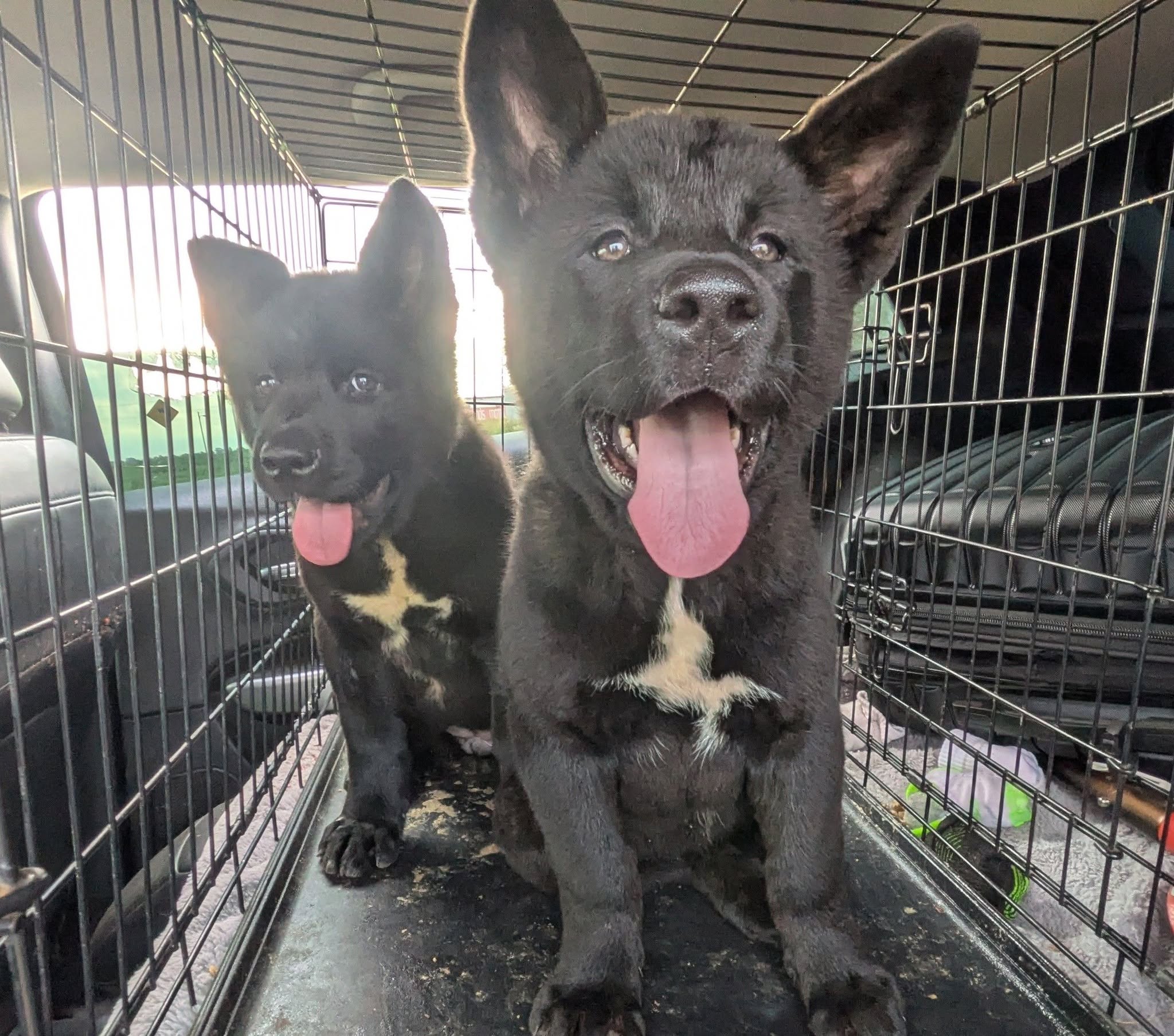
The Definitive Guide to Mindful Leadership and Obedience
Standard training methods fail completely when dealing with the highly independent and strong-willed mind of an American Akita. Many first-time owners mistakenly treat this ancient working breed like a common eager-to-please Retriever, resulting in broken communication and severe boundary confusion. Therefore, our family program addresses structural Akita training protocolsdirectly to help handlers establish absolute respect without using physical force. If you are currently evaluating household readiness, mastering these developmental leadership boundaries is non-negotiable. Furthermore, understanding Akita training protocols from the first moment your puppy enters your home is essential for long-term success.
This guide is part of our broader Akita breed education hub , where we document every protocol we use in our preservation program.
Establishing Genuinely Earned Pack Leadership Through Calm Confidence
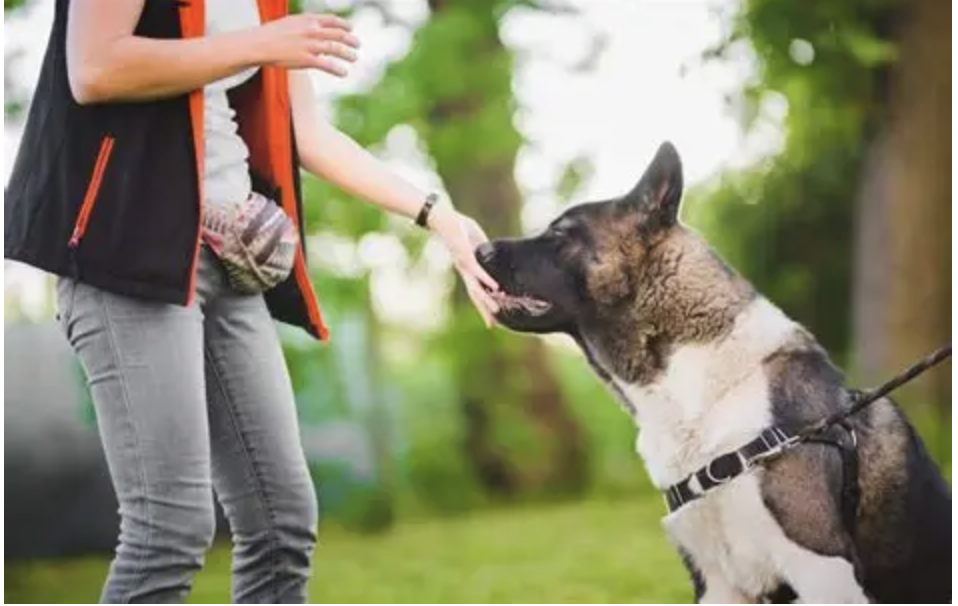
American Akitas do not respond to aggressive bullying, loud shouting, or heavy-handed physical corrections; alternatively, they respect calm, unwavering consistency. According to behavioral development research published by the American Kennel Club (AKC) , this breed carries rudimentary guarding instincts that require structured human guidance. Consequently, our home-centered preservation program introduces basic boundaries during the earliest stages of growth.
Proactive leadership ensures that a puppy views their handler as a fair, trustworthy leader rather than a source of unpredictable energy. Consequently, while their thick bone structures and muscular forms make them look intimidating, managing their sensitive minds requires a quiet, assertive handling style that every owner must master. Understanding the breed’s guardian instincts is essential. Read Do Akitas have an aggressive reputation? to separate myth from fact.
The 24-Month Behavioral Milestone: Stimulation and Socialization Timelines
In our daily development routines on our 10-acre country homestead, my family utilizes a progressive, stage-by-step training framework. Akitas pass through distinct mental fear windows as they grow. Therefore, we advise handlers to follow a highly organized socialization path during the first two years of life. Understanding the breed’s physical power is essential to training. Read our American Akita size and strength analysis.
Phase 1: Early Neurological Stimulation (ENS) Protocols
Our intensive handling strategy begins within our home environment long before a puppy transitions to a new family. Specifically, we execute structural ENS exercises from days 3 through 16 to enhance stress tolerance:
| Timeline | Protocol | Purpose |
|---|---|---|
| Day 3–16 | ENS handling (tactile & thermal tests) | Enhances stress tolerance |
| Week 3–6 | Child exposure (Emma, Liam, & Sophie) | Builds clear play rules |
| Week 7 | Volhard vetting (intake application review) | Aligns energy to your lifestyle |
Consequently, this early biological work lowers heart rates under pressure, giving our puppies excellent mental resilience before they begin formal obedience. Every puppy in our program begins ENS protocols from day three. View current litter documentation to see our socialization timeline.
Phase 2: Cultivating Public Neutrality Over Forced Interaction
The most common mistake owners make during public socialization is forcing their young dog to greet every stranger or animal they pass. If you allow random interactions, your Akita will grow up believing they must aggressively manage every approaching element.
- The Golden Safety Rule: Focus strictly on public neutrality. Train your puppy to look directly at you for direction whenever an environmental change occurs.
- Acoustic & Surface Exposures: Walk your puppy across varied surfaces, introduce them to umbrellas, and expose them to loud traffic noises calmly to build immense environmental confidence.
Proper nutrition supports training success. For a complete nutrition blueprint, see our Akita health requirements guide. The AKC Canine College offers on-demand video courses covering puppy training and breed-specific education.
The 5-Sign Checklist for Evaluating Structural Evaluation Milestones
Before advancing to complex off-leash training, your companion dog must reliably clear these five foundational behavior checkmarks inside your home environment:
- Unwavering Eye Contact: The companion must instantly look at your face for permission before eating a meal or passing through an open property doorway.
- Calm Crate Acceptance: The puppy must enter their secure sleeping quarters willingly and rest quietly without whining or displaying resource-guarding behaviors.
- Loose-Leash Attention: The dog must maintain a relaxed leash while walking beside you without pulling or lunging.
- Controlled Doorway Protocol: Your Akita must automatically sit when someone approaches the door and wait for your release command.
- Neutral Response to Stimuli: Your dog must remain calm when bicycles, other dogs, or loud vehicles pass by at a reasonable distance.
Our training philosophy is shaped by fifteen years of experience. Meet our family and review our credentials to see how we raise our litters. The Akita Club of America provides breed mentorship resources for new owners seeking guidance on temperament management.
Ownership Commitments, FAQs, and Educational Resources
Implementing consistent akita training protocols requires an investment of time, patience, and clear human leadership.
Mandatory Behavioral Milestones
| Development Stage | Primary Training Focus Area | Required Daily Time Commitment |
|---|---|---|
| 8 to 16 Weeks | Crate training, house breaking, basic name focus, tactile handling | 30 – 45 Minutes |
| 4 to 9 Months | Advanced loose-leash heeling, public neutrality, impulse control | 45 – 60 Minutes |
| 10 to 24 Months | Proofing commands under high distraction, managing secondary fear windows | 30 Minutes daily |
Frequently Asked Questions
Q: At what age should I begin formal obedience training with my Akita?
A: Begin basic commands at 8 weeks of age using positive reinforcement. However, formal obedience classes should wait until your puppy has completed their vaccination series, typically around 16 weeks.
Q: Why do Akitas resist traditional training methods?
A: Akitas are independent thinkers bred to make decisions without human direction. Consequently, they respond best to respectful leadership, clear boundaries, and positive reinforcement. Harsh corrections destroy trust and create defensive behaviors.
Q: How long should training sessions last for an Akita puppy?
A: Keep sessions short and engaging. Ten to fifteen minutes maximum, twice daily. Akitas become bored with repetitive exercises and will disengage if sessions drag on.
Consult the American Veterinary Medical Association (AVMA) for community safety guidelines and the South Dakota Veterinary Medical Association (SDVMA) for local training and wellness updates.
Leading Your Pack with Confidence
Mastering advanced akita training protocols is a rewarding journey that requires assertive handling, quiet confidence, and complete structural consistency. By guiding your companion with mindful leadership rather than physical force, you forge a deep bond of mutual respect.
Meeting strict Akita training protocols is a lifelong commitment that demands proactive care, structural leadership, and absolute transparency. By following these protocols, you build a resilient foundation for your companion dog.
- Ready to explore current availability? View our current litter documentation at Available Companions .
- Want to know who we are? Meet our family and review our credentials at About Our Akita Breeders .
- New to the breed? Start with our comprehensive American Akita breed education hub at Akita Puppy Care Guide .
Before committing to any breeder, we encourage you to independently verify health clearances through the Orthopedic Foundation for Animals . Focus on real data, safeguard your family line, and raise your pack with complete confidence.

0 Comments